

Teaching Prevention 2027:
A Legacy of Learning. A Future of Leadership
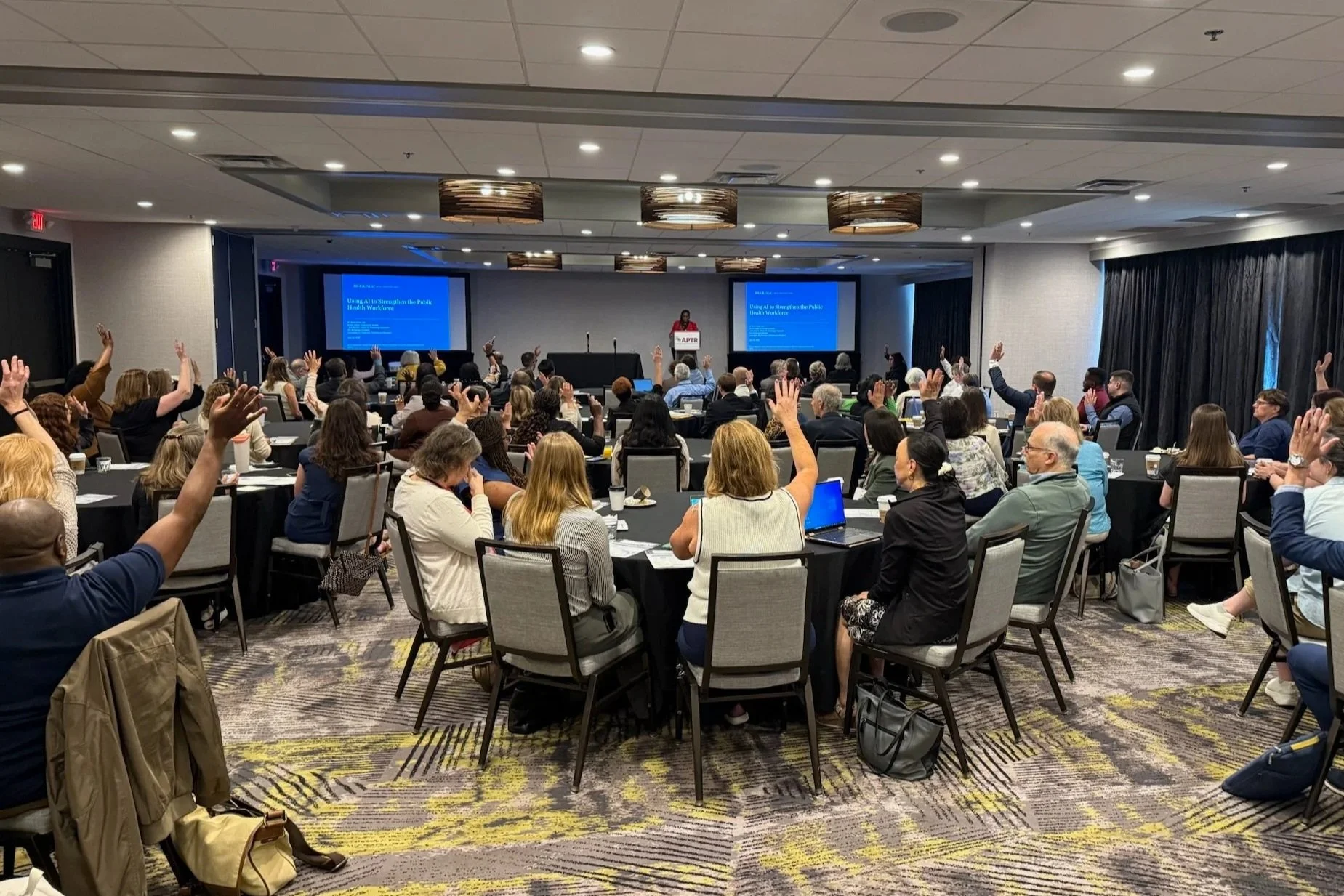
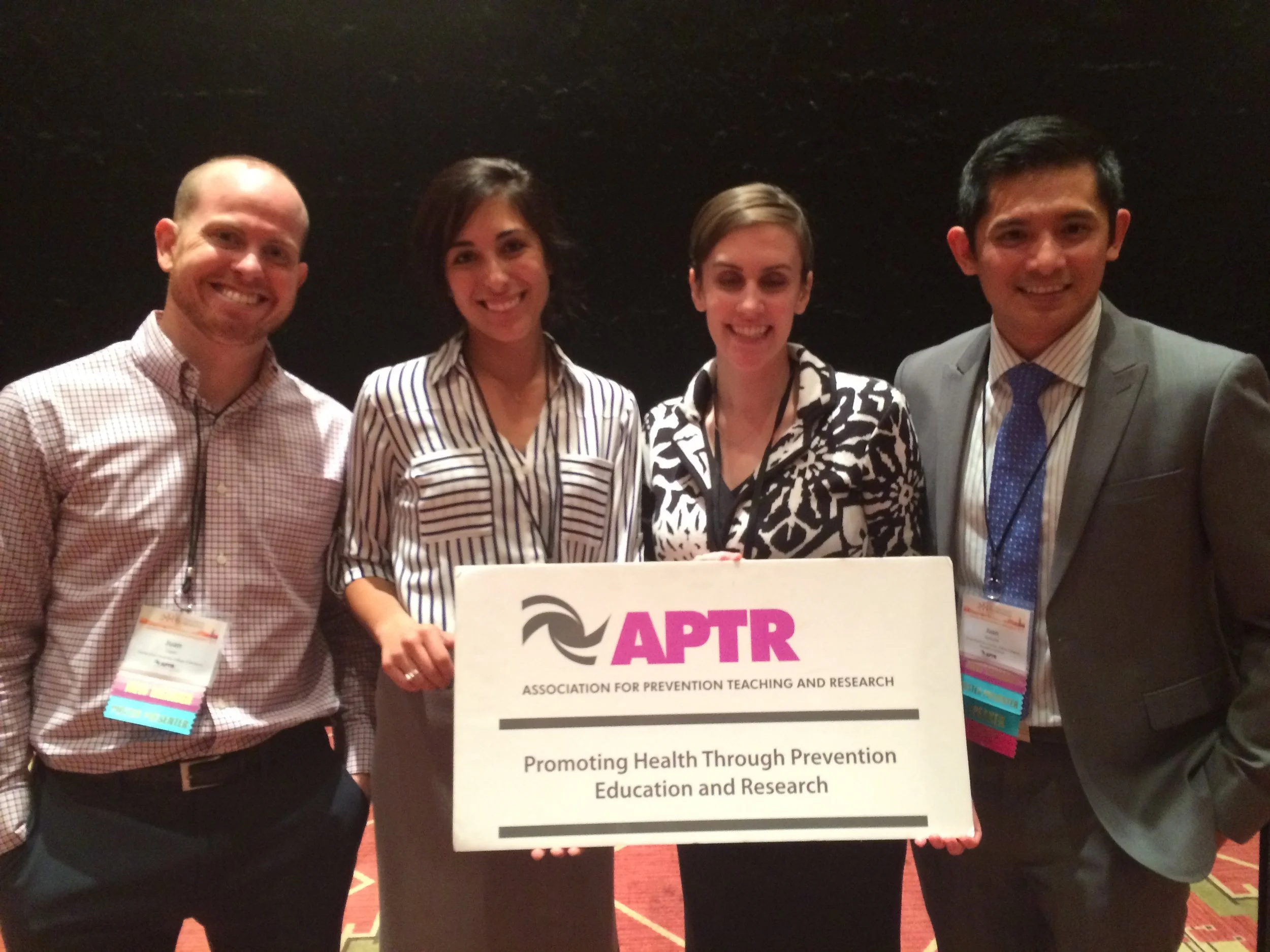

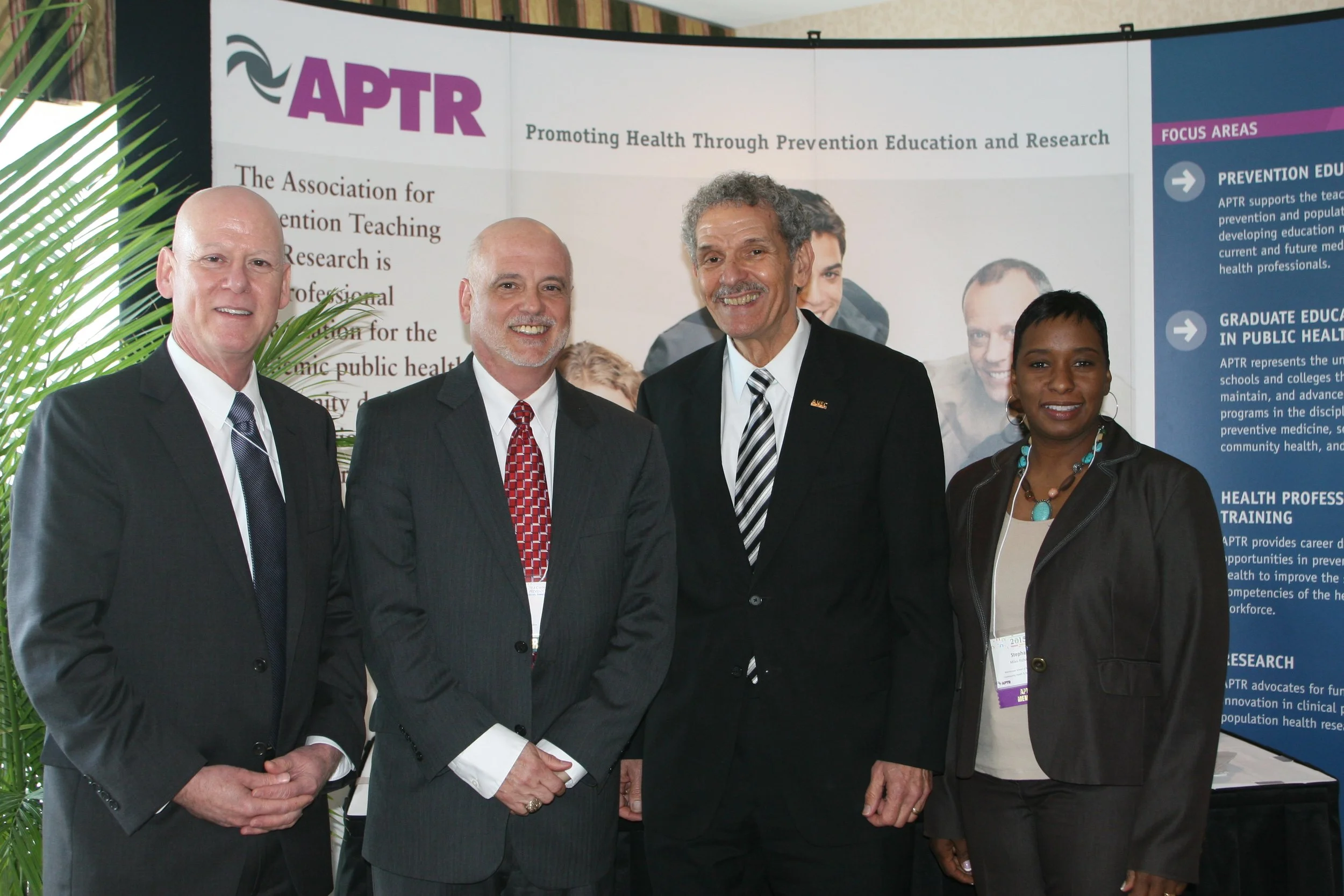
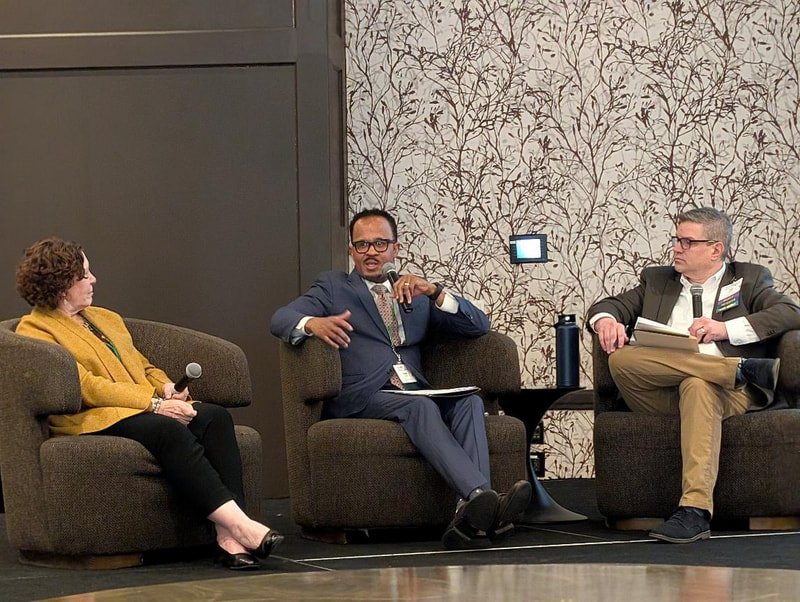

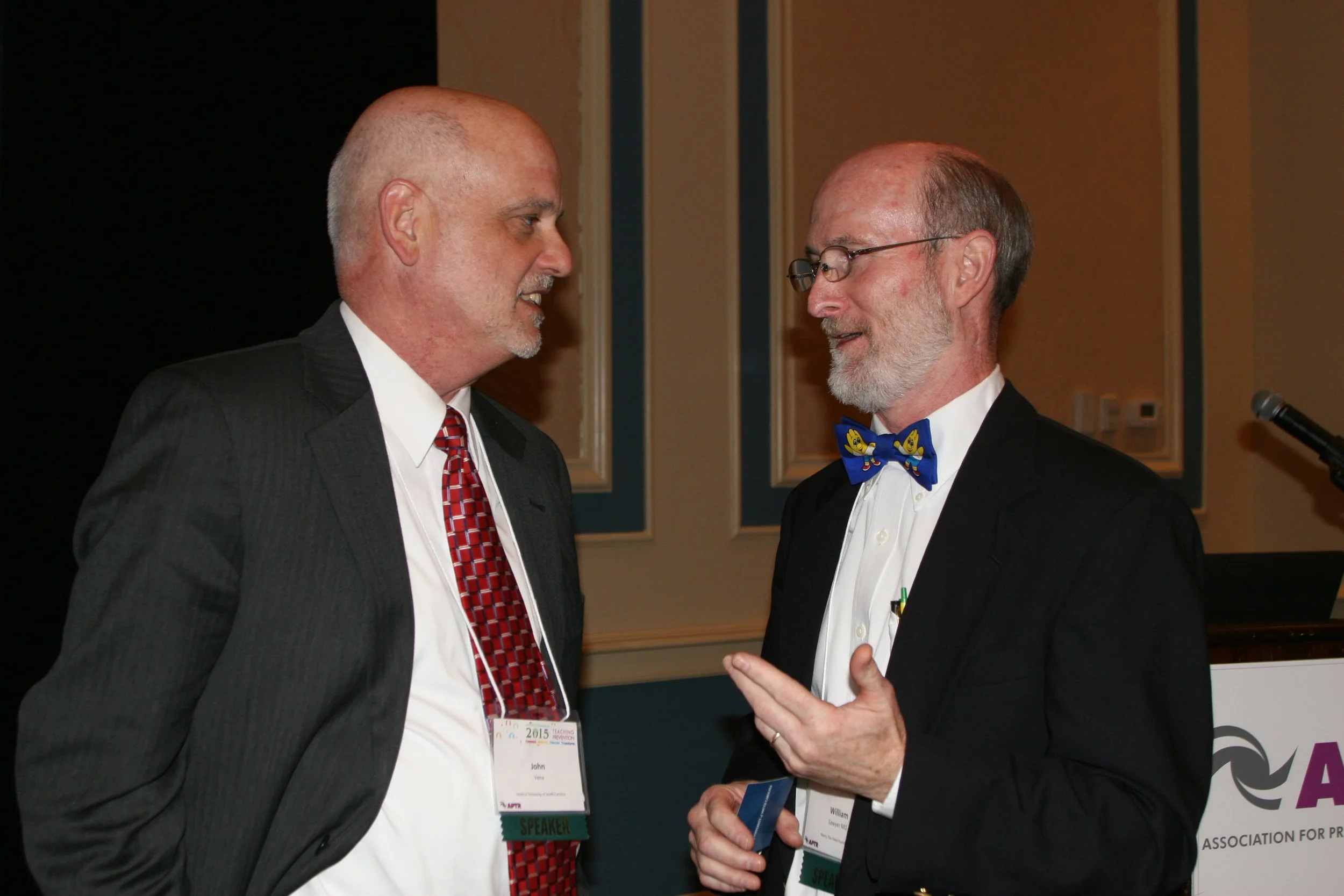
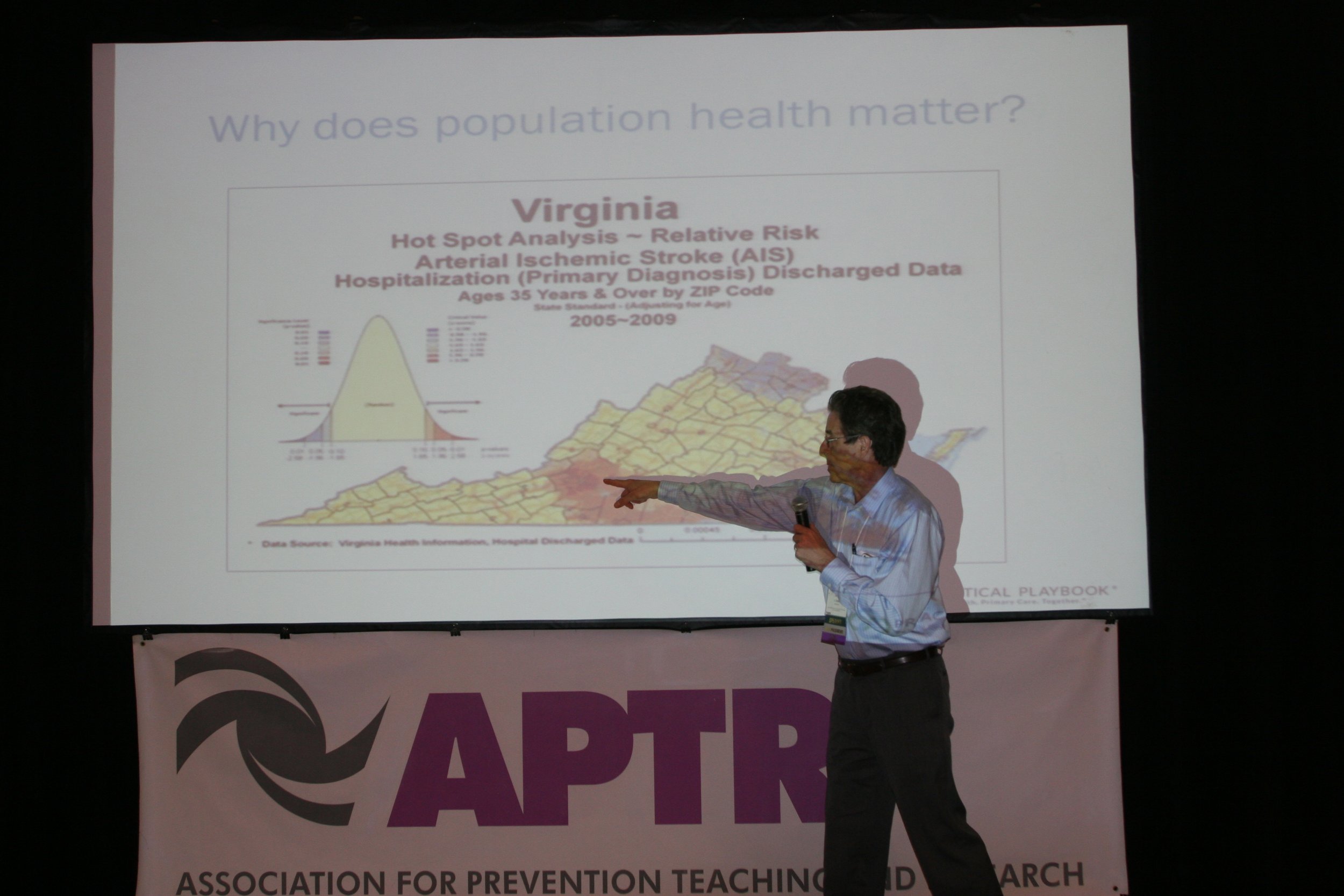
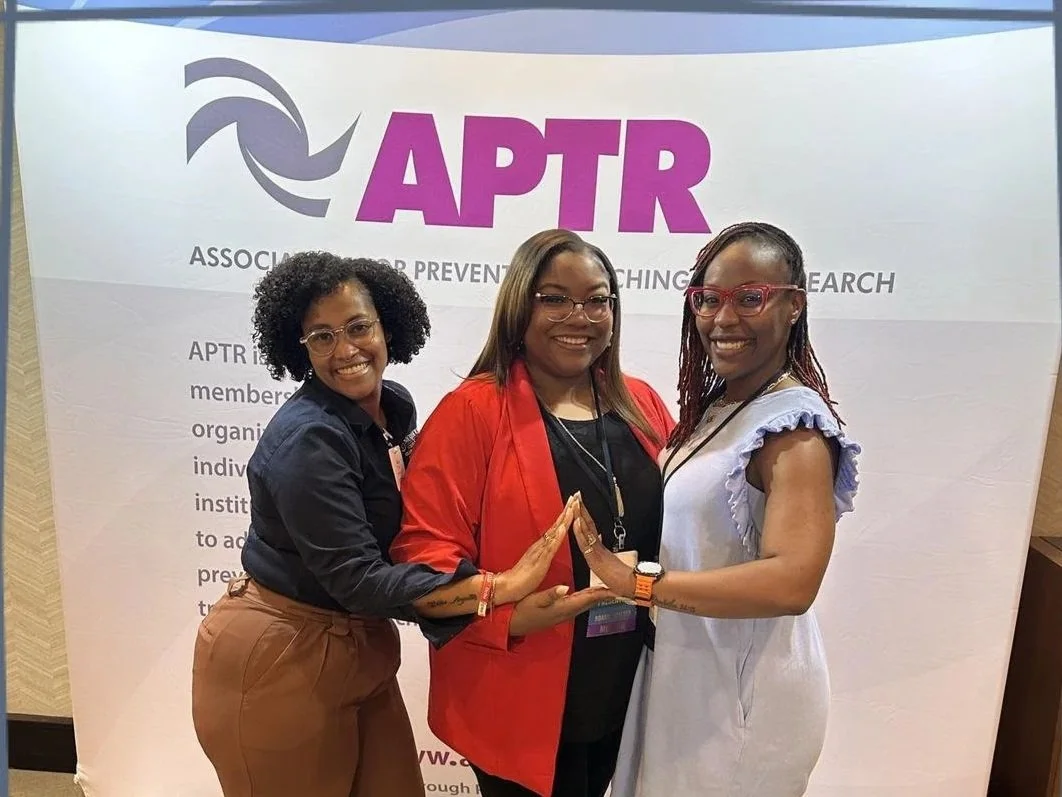
It’s more than a conference.
It’s a community!
April 11–13, 2027
Philadelphia, Pennsylvania
Sofitel Philadelphia at Rittenhouse Square
Teaching Prevention 2027: Legacy of Learning, A Future of Leadership, the annual conference of the Association for Prevention Teaching and Research, will convene educators, researchers, practitioners, students, and trainees from across institutions, professions, and disciplines to explore innovative approaches to education, research, and practice.
This conference offers an inclusive, collaborative environment for meaningful networking, relationship-building, and discussion of the opportunities and challenges shaping the future of prevention and population health education.
What You'll Find at Teaching Prevention
Ideas You Can Use
Discover innovative curricula, teaching strategies, educational tools, research findings, and approaches that can inform your own work.
Scholarship Worth Sharing
Explore research and scholarship advancing prevention and population health education, training, and practice.
Conversations That Matter
Engage with colleagues around the issues affecting our institutions, our learners, our communities, and the future health professions workforce.
A Community of Colleagues
Build relationships across disciplines, professions, institutions, and career stages in an environment designed for meaningful interaction.
Who Attends?
Teaching Prevention welcomes professionals and learners whose work intersects with prevention, public health, population health, and health professions education, including:
Faculty and educators
Researchers and scholars
Public health and health professionals
Academic and program leaders
Clinicians and practitioners
Students, residents, fellows, and trainees
Community and practice partners
Whether you have attended for years or are discovering Teaching Prevention for the first time, you are invited to be part of the conversation.
Conference Goals
Showcase effective and adaptable approaches to teaching prevention and population health.
Advance research, scholarship, and evidence-informed practice.
Strengthen curriculum innovation, faculty development, and learner engagement.
Promote interprofessional, cross-sector, and community-engaged collaboration.